1. what is vps and why choose korean vps service?
vps (virtual private server) is a technology that divides a physical server into multiple virtual servers. each virtual server can independently run operating systems and applications. the main reason for choosing south korea's vps service is that south korea's network infrastructure is very mature, with fast network speed and low latency, making it suitable for businesses that require quick response. in addition, south korea has relatively complete laws and regulations on data protection and network security, which can provide users with more reliable services.
2. how to evaluate the cost-effectiveness of korean vps services?
to evaluate the cost-effectiveness of korean vps services, you can mainly consider the following aspects:
3. which korean vps service providers are worth recommending?
the following are some korean vps service providers with good reputations in the market:
4. what are the frequently asked questions about korean vps services?
when choosing a korean vps service , users may encounter some common problems, such as:
5. how to choose the korean vps service that suits you best?
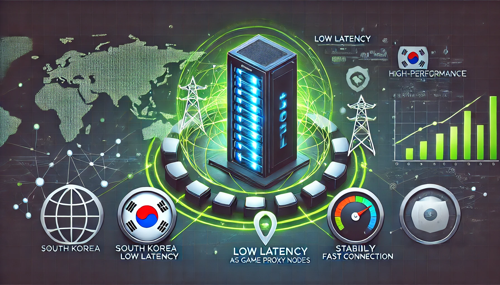
to choose the korean vps service that best suits you, you need to consider comprehensively based on your own needs:
- Latest articles
- Popular tags
-
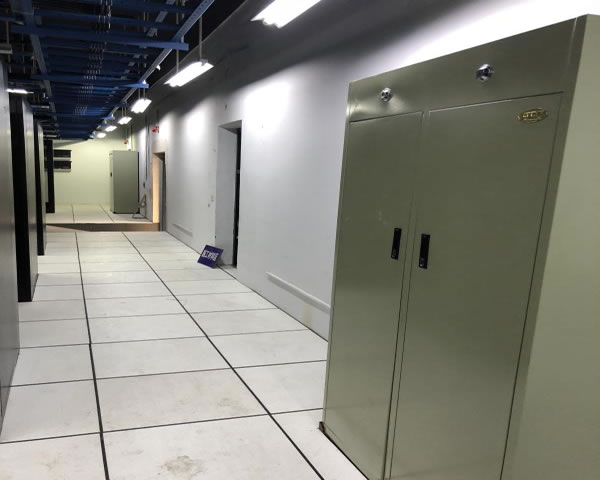
Korean Cloud Server Evaluation Video Tutorial To Help You Get Started Easily
this article provides you with a korean cloud server evaluation video tutorial to help you get started quickly and understand server configuration and usage techniques. -

Key Factors To Consider When Choosing A Korean Cloud Server Provider
key factors to consider when choosing a korean cloud server provider include performance, price, support services, etc. -
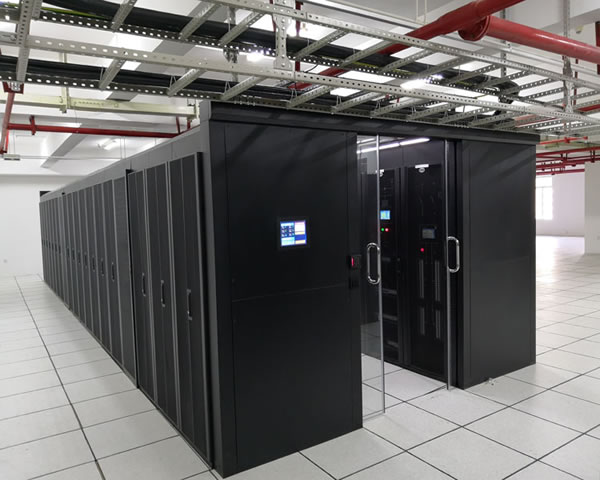
Technical White Paper: Where Are The Native Cloud Servers In Korea? Analysis Of Common Operators And Interconnection Points
In-depth analysis of the geographical location, common operators, interconnection points and actual configuration of South Korea's native cloud servers. Contains real-life cases and configuration tables on bandwidth, latency, and DDoS protection to help with operation and maintenance and architecture selection.